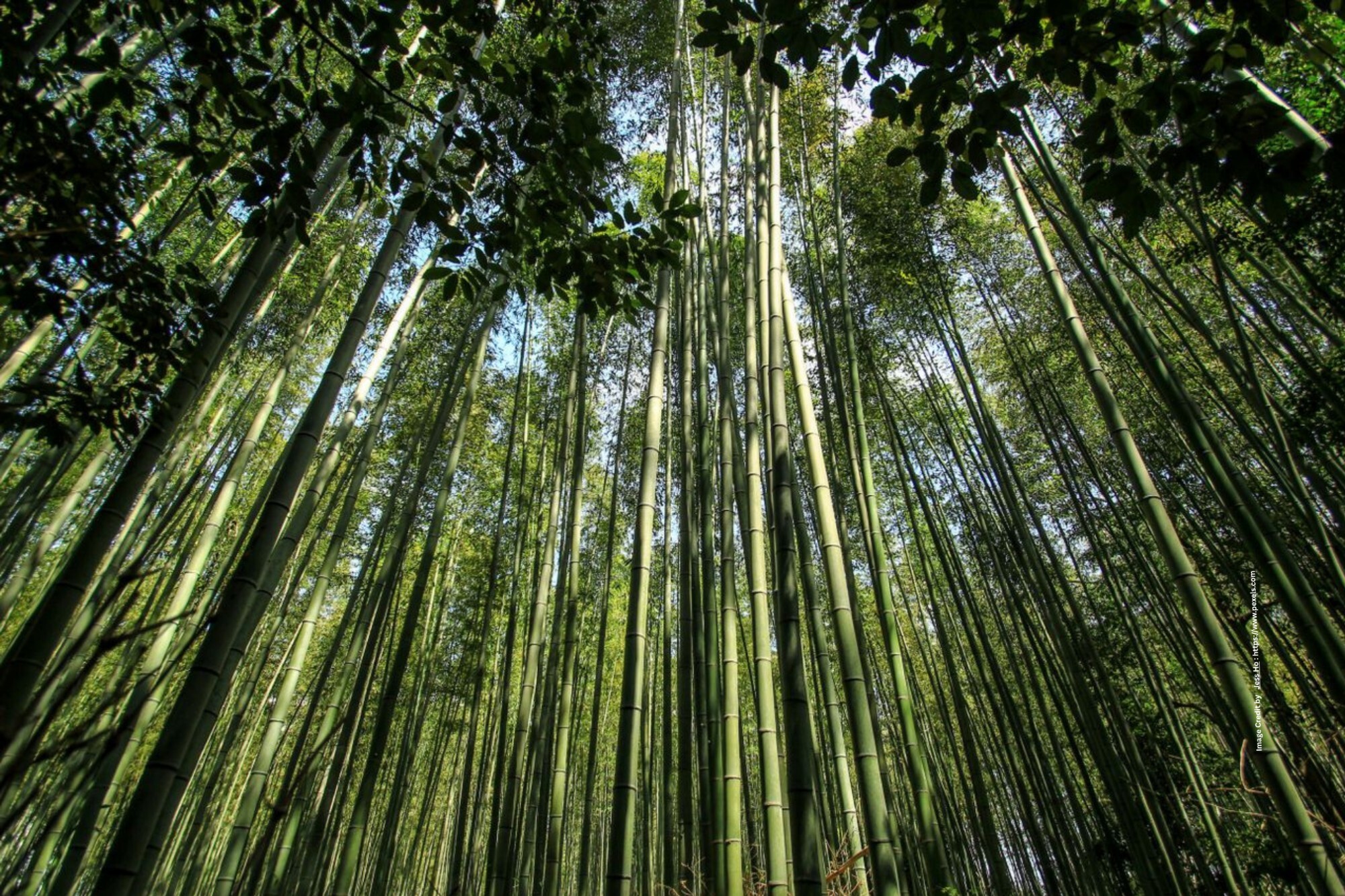

Green bamboo is no longer a plant confined merely to forests. Today, it is becoming a strong pillar of agriculture, industry, environmental conservation, and the rural economy. Due to its rapid growth, versatility, and carbon sequestration capacity, it is truly referred to as “Green Gold.”
Where is green bamboo cultivated?
Where is its largest market located?
What are the major and emerging uses of bamboo?
How long does it take from planting to the first harvest?
Proper planting methods and essential care
Major pests, diseases, and preventive measures
Is expert advice from an agricultural scientist necessary?
And finally, a practical estimate of costs and benefits
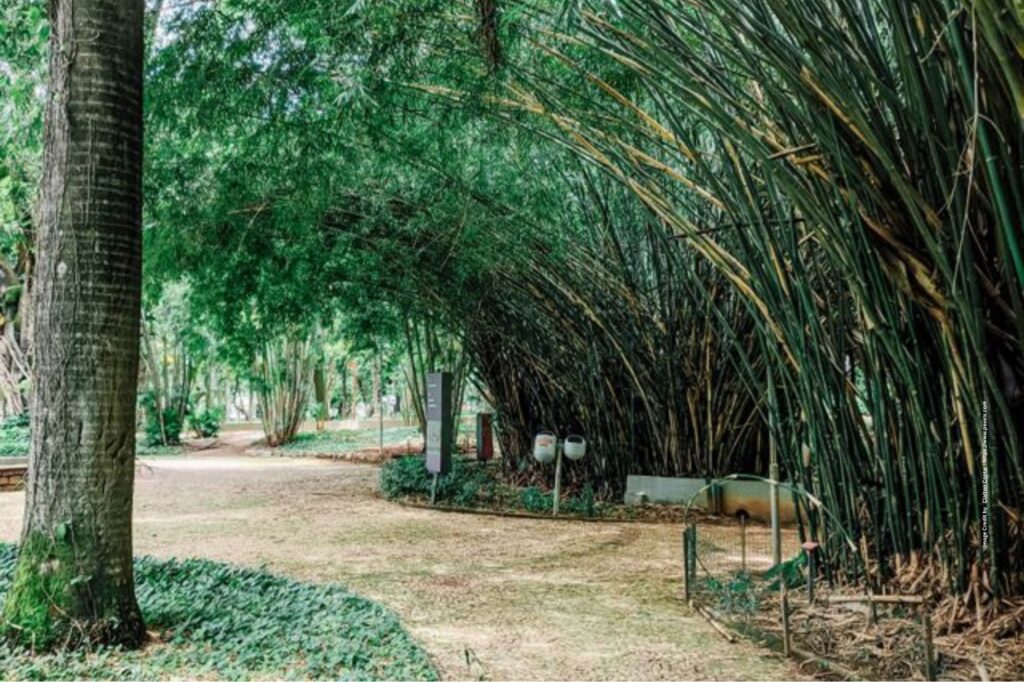
What is Green Bamboo?
In common parlance, “green bamboo” refers to bamboo in a living or fresh state (fresh culm) or species that remain green year-round and grow very rapidly. Botanically, bamboo belongs to the grass family (Poaceae). Many of its commercial varieties become ready for harvest within 3–5 years, making it far more profitable than timber.
Why is the demand for “Green Bamboo” rising rapidly?
The main reasons for the surging global demand for green bamboo are—
Extremely rapid growth (some species grow up to 30–40 cm per day)
Versatility (ranging from construction to industrial applications)
Environment-friendly crop (carbon storage, soil conservation)
Long-term, stable income for farmers
An alternative to plastic and timber
Where is green bamboo grown around the world?
Globally, bamboo production is primarily concentrated in tropical and subtropical regions. In many countries, it is not merely a crop but the basis of an entire bamboo-based industry.
Major regions of green bamboo production in the world
| Region / Country | Nature of Production | Major Uses |
| China | Organized farming + advanced industry | Flooring, furniture, bamboo boards, paper |
| India | Natural reserves + cultivation expansion | Construction, handicrafts, agro-forestry |
| Southeast Asia | Extensive natural regions | Housing, traditional products |
| Japan/Korea | Limited but high-value | Specialized handicrafts |
| Africa | Rapidly emerging region | Construction, fuel |
| Latin America | Robust systems (Guadua) | Building construction |
| Europe/USA | Limited and decorative | Designer products |
Where is the largest market for green bamboo?
Global markets
China (furniture, bamboo boards, flooring)
Europe (eco-friendly furniture, design products)
USA (green construction, décor)
Major markets in India
Assam, Tripura, Mizoram (raw bamboo, handicrafts)
Uttar Pradesh, Madhya Pradesh, Chhattisgarh (construction, poles)
Maharashtra, Karnataka (furniture, bamboo boards)
Urban areas: Delhi, Mumbai, Bengaluru (décor, furniture)
What geographical conditions does green bamboo prefer?
Ideal Geographical Conditions
| Factor | Ideal Condition | Suggestion |
| Climate | Tropical/Subtropical | Protect from frost |
| Temperature | 15–35°C | Select local variety |
| Rainfall | Moderate to High | Initial irrigation necessary |
| Soil | Loamy, well-drained | Avoid waterlogging |
| pH | 5.5–7.5 | Conduct soil test |
Proper Method for Planting Green Bamboo
Question: What is the correct way to plant bamboo?
Answer:
1. Deep ploughing of the land
2. Digging 60×60×60 cm pits
3. Using well-decomposed cow dung manure mixed with soil
4. Planting tissue-cultured or healthy saplings
5. Irrigation after planting
Planting distance: 4×4 meters or as per the variety
When does production begin?
First 2years: Root and clump development
Third year: Limited harvesting
4–5years: Commercial production begins
Once established, production is possible for 25–40years
What care is required?
Timely irrigation (especially during the first 2years)
Weeding and hoeing
Organic/balanced fertilizers
Pruning of dry or old branches
Protection against waterlogging
Major Uses of Green Bamboo (High-Demand Uses)
Construction: Scaffolding, bamboo boards
Furniture: Chairs, tables, beds
Handicrafts: Baskets, mats
Agriculture: Support poles, fencing
Paper industry: Pulp, packaging
Energy: Biochar, biomass
Food: Bamboo shoots (specific varieties)
Major Pests Affecting Bamboo and Their Control
Termites
Bamboo beetles
Shoot borers
Fungal rot
Protection/Care:
Neem-based bio-pesticides
Protection against waterlogging
Advice from agricultural experts
Is expert advice necessary?
Yes, especially for—
Variety selection
Pest/disease control
Market linkages
Availing government schemes
Costs and potential profits (in brief)
Initial cost: Moderate
Maintenance: Low
Stable income after 4–5years
Multi-fold profits through value addition
Summary
Green bamboo is a crop of the future. With the right variety, scientific advice, and market linkages, this form of farming can provide farmers with a sustainable, eco-friendly, and profitable income.
15FAQs – Questions and answers regarding green bamboo
1. What is green bamboo?
Bamboo in its fresh state or evergreen species.
2. When does bamboo harvesting begin?
In 3–5 years.
3. Does bamboo require a lot of water?
In the initial years.
4. Can bamboo grow in sandy soil?
Only specific varieties.
5. Where is the largest market for bamboo in India?
The Northeast and major cities.
6. Are bamboo shoots edible?
Only in select varieties.
7. Which bamboo products offer the highest profit?
Furniture and boards.
8. Is bamboo good for the environment?
Yes, very much so.
FAQ
9. What is the biggest risk?
Lack of market linkages.
10. Can bamboo be planted on farm boundaries?
Yes, but management is required.
11. Is bamboo a substitute for wood?
In many sectors.
12. Does it generate employment?
Yes.
13. Is bamboo susceptible to pests?
Yes, management is necessary.
14. Does it help mitigate climate change?
Yes.
15. What should be done before starting?
Soil testing + expert advice.
References
Indian Agriculture and Forestry Extension Literature
FAO Bamboo Reports
National Bamboo Mission (India)
Guidelines from State Agricultural Universities
Disclaimer
This article is for general information purposes. Actual benefits depend on land, variety, market conditions, and management practices. Please consult a local agriculture or forestry expert before starting cultivation.
About The Author